
Making sense of homelessness
Insights and tools for understanding
The musical chairs analogy
Homelessness is not caused by people's problems alone; it occurs when common human setbacks collide with a system that does not have enough places to land.
Eight people walk in a circle. There are only seven chairs.
When the music stops, someone will lose, no matter who the players are.
One person might have a bad knee. Another might react more slowly. Someone else might hesitate.
It's easy to look at the person left standing and explain the outcome by pointing to their weakness. But that explanation misses the real cause.
The reason someone loses is not who they are, it's that there weren't enough chairs.
If there were enough chairs, no one would lose — even if some players were slower or injured.
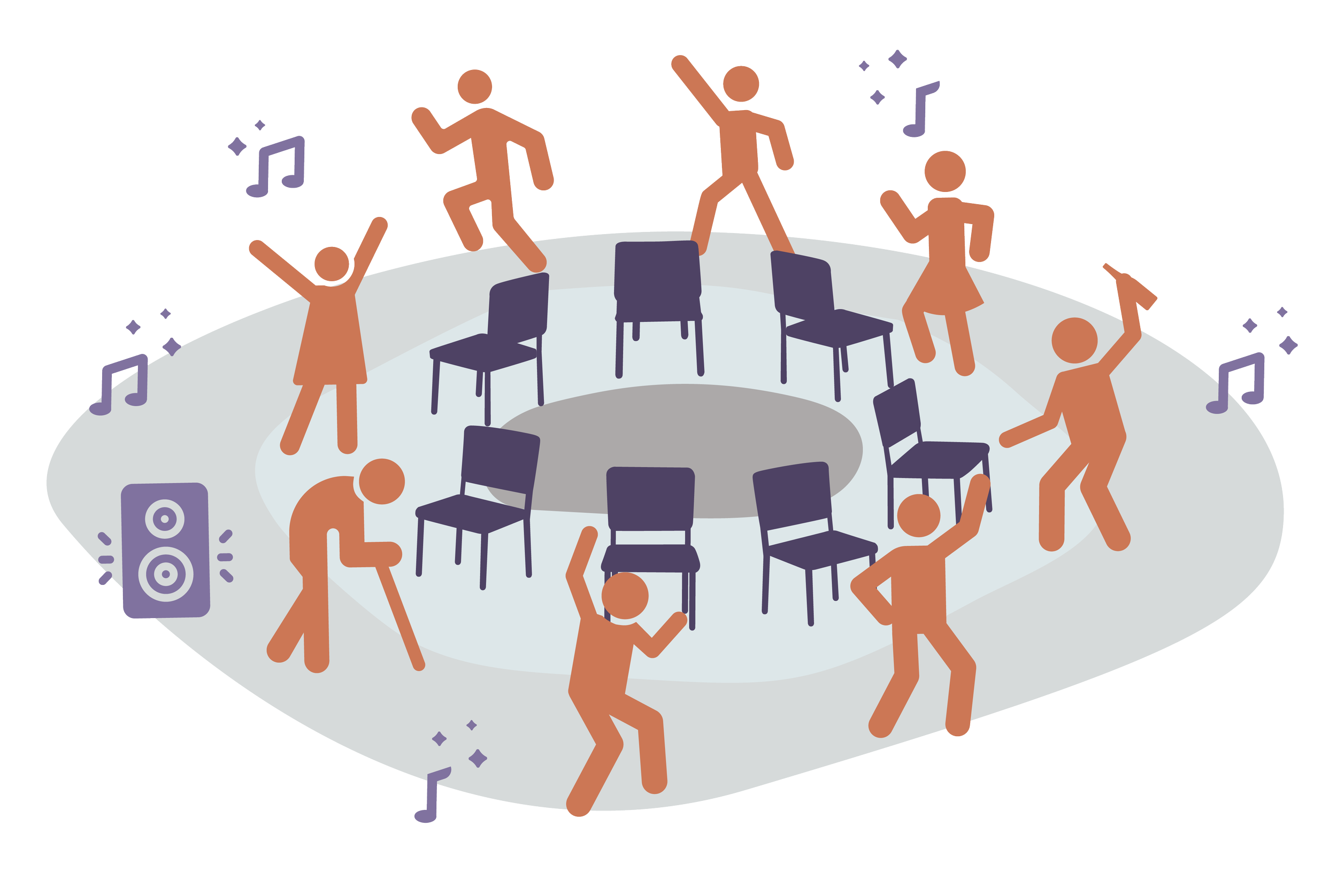
When housing shortages exist, households with the least economic strength and social capital are the first to fall into homelessness
Individual Experiences Matter
Health challenges
Substance use
Job loss or family disruption
Domestic violence
These factors affect who is vulnerable to becoming homeless.
Systems Determine Outcomes
Housing availability
Affordability relative to income
Policy and zoning
Access to stable units
These factors shape how widespread homelessness becomes.
Homelessness varies by place and by local housing conditions
Rates of homelessness differ widely from one community to another. Even neighboring counties can experience very different levels.
These differences tend to follow local housing conditions: the cost of rent, the availability of homes, and how housing markets function in each place.
Understanding these local dynamics helps explain why homelessness looks different across communities, and why responses must consider the housing systems people live within.

Housing instability is the difficulty of maintaining stable housing over time. A job loss, medical expense, or financial shock can quickly put any household at risk of losing their home.
People exit homelessness when stable, affordable housing becomes accessible.
Factors that enable homelessness exit:
Availability of affordable and appropriate housing units
Rental assistance or income stabilization to make housing affordable
Housing navigation and case management to overcome administrative barriers
Supportive services (healthcare, behavioral health, employment) when needed
Landlord participation and tenant protections that reduce re-entry risk
Lunous builds a data visualization platform to help communities create a shared vision and pathway to the future.
We collect, standardize, and align public and shared housing and homelessness data into a common framework that communities can actually use.
Tools for decision makers
We bring fragmented data together
By connecting data on population, housing supply, affordability, and homelessness, we reveal patterns that no single dataset can show on its own.
More than data, a catalyst for collective impact
We help communities align around shared data so collective action becomes possible.
The Affordable Housing Insights Hub
The Affordable Housing Insights Hub brings together housing and homelessness data from across agencies, and visualizes it to unlock the power of that data for policy makers and the communities they serve. By organizing public data into a shared structure, the Hub helps communities move beyond isolated statistics and toward a clearer understanding of housing supply, demand, and affordability.
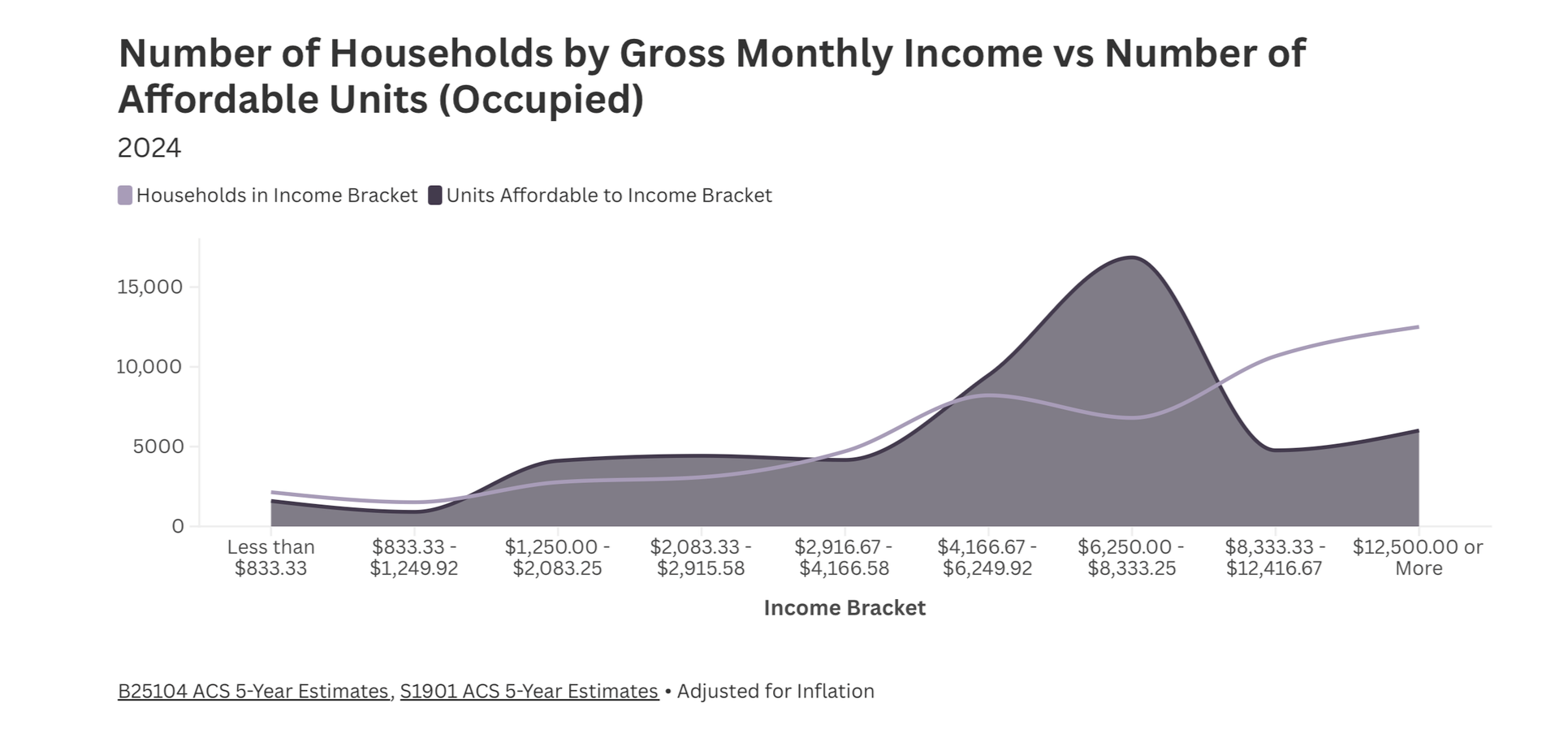
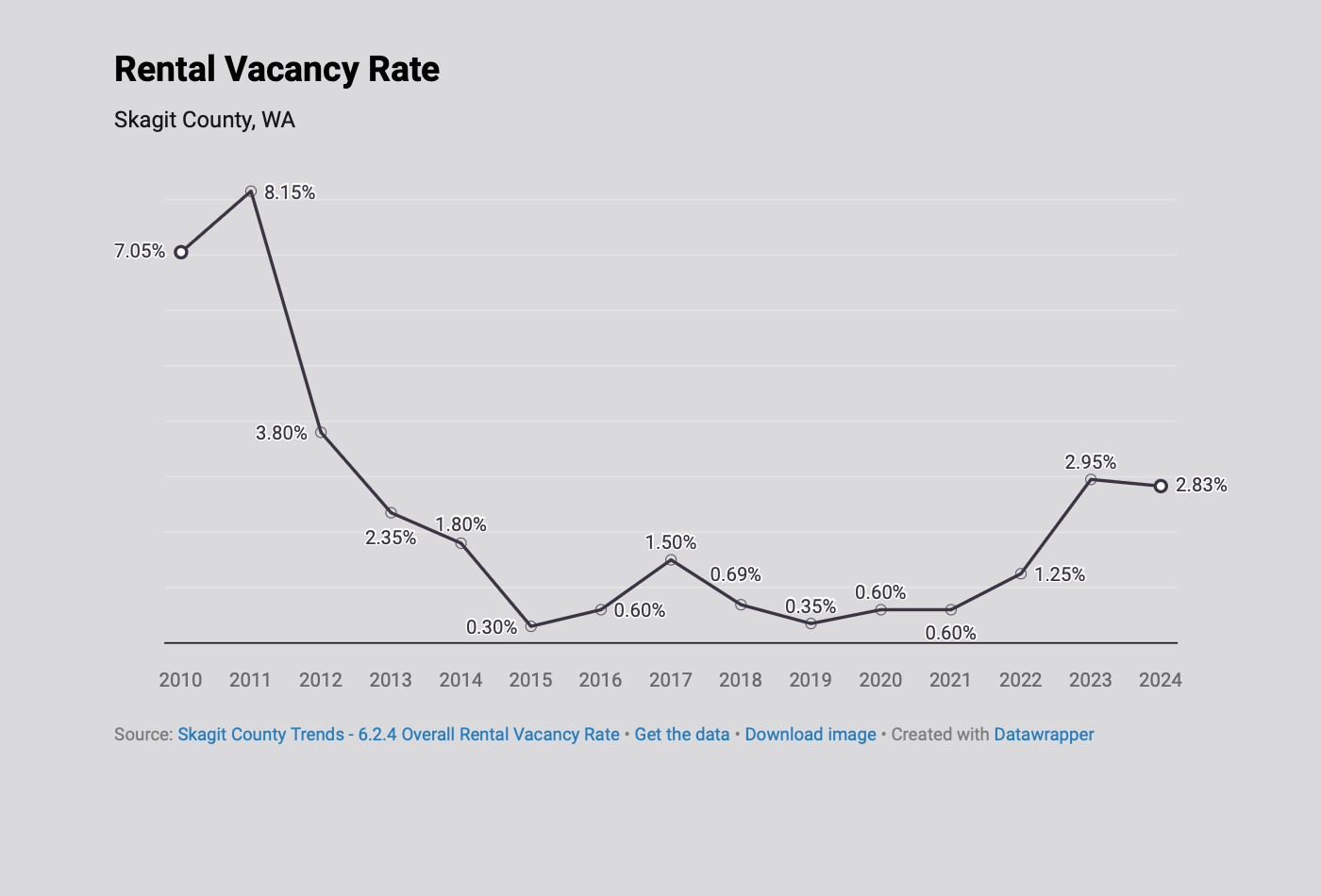
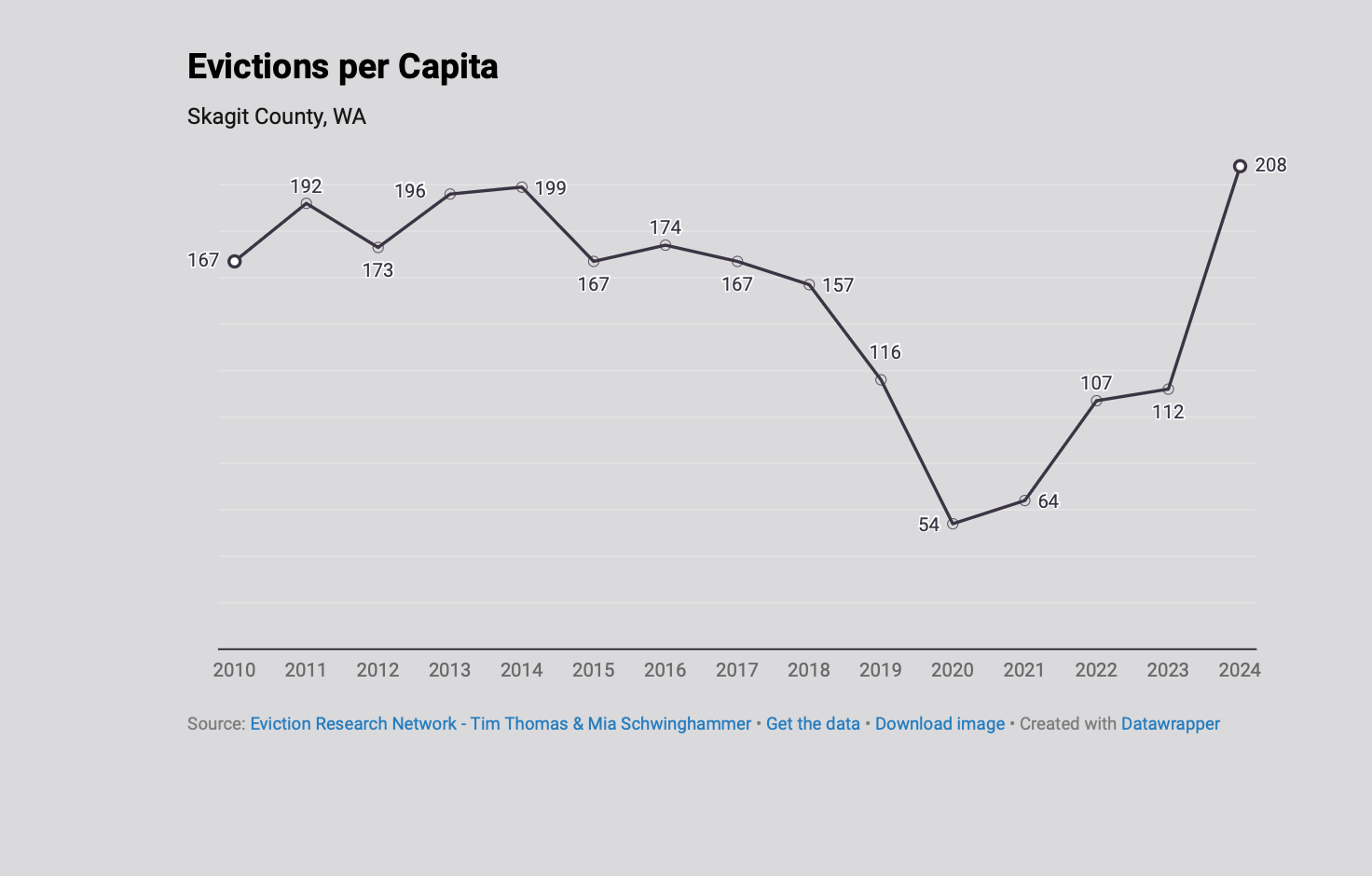
We helps communities by
Grounding decisions in shared evidence
Base interventions on comprehensive data rather than assumptions
Building understanding through data
Recognize how different factors dominate in different communities
Seeing tradeoffs more clearly
Understand how different policy choices affect housing outcomes
Aligning conversations across sectors
Create common language between housing, homelessness, and policy stakeholders
Get involved
Lunous builds shared data infrastructure and insights to help communities understand and address housing and homelessness as connected systems.
Support this work and help build shared data for collective impact.
Volunteer
Donate
Contribute your skills to strengthen shared understanding across housing systems.
Talk to us
Let’s talk about your community, your questions, and what clarity could unlock.